
Listening to Our Community
This spring, Superintendent Shuldiner visited all seven School Board Director districts to meet with families, students, and staff in person. We held seven community meetings between February and April 2026, plus one virtual session. More than 1,000 people attended across all eight events.
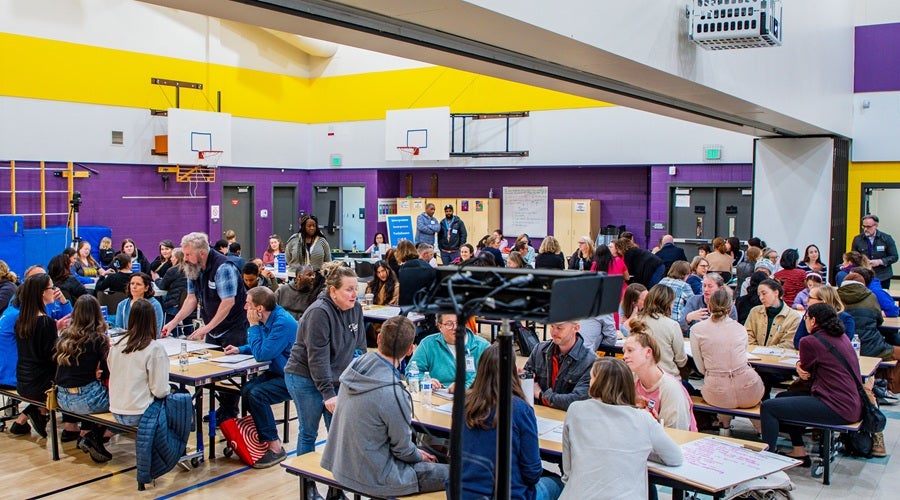
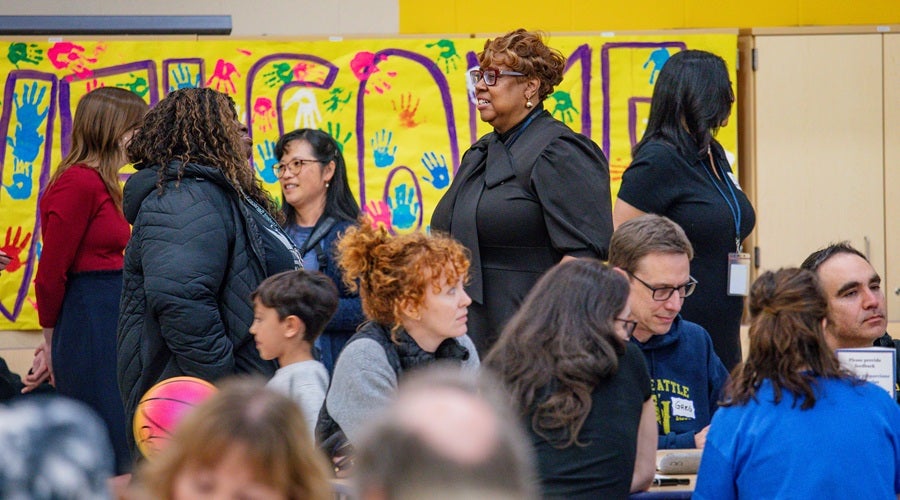
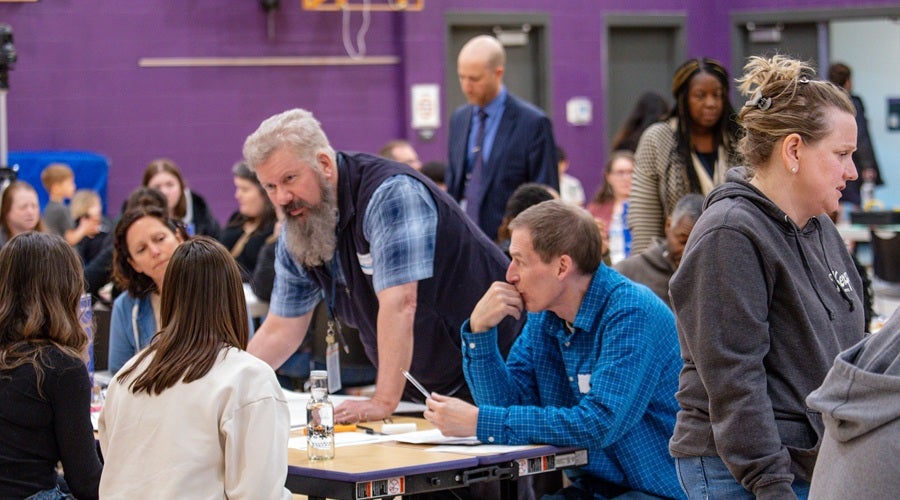
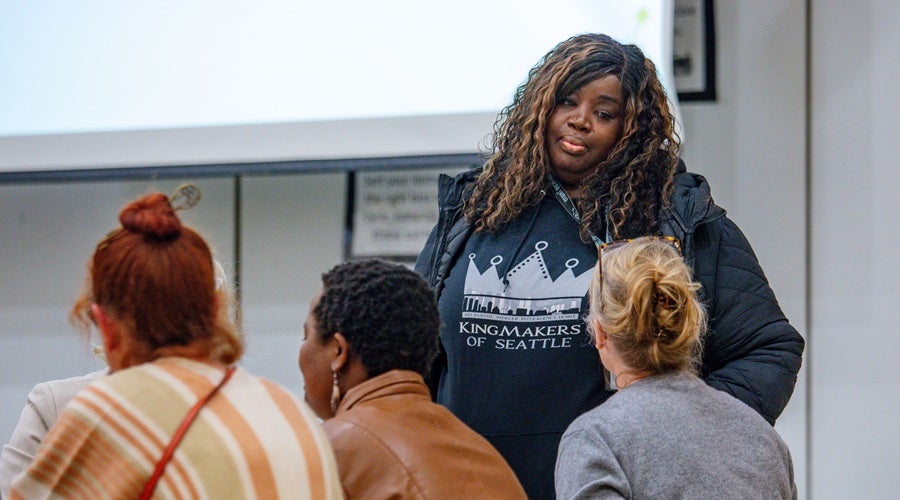
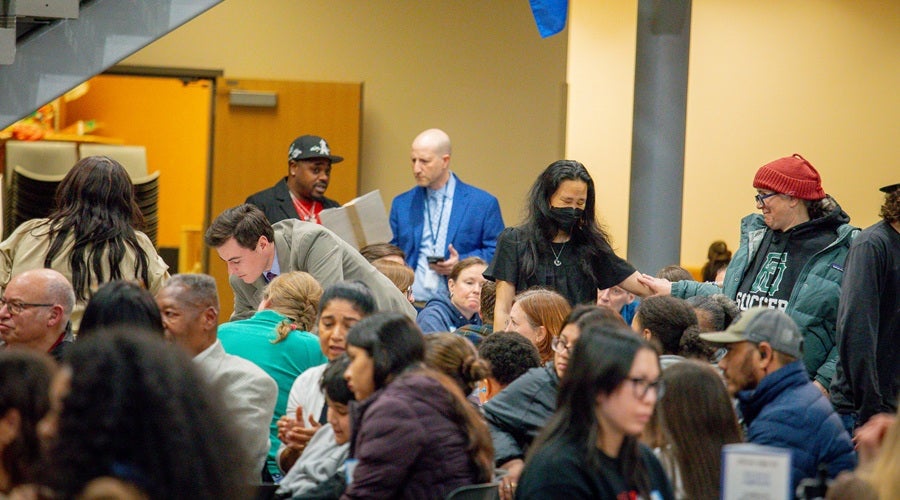
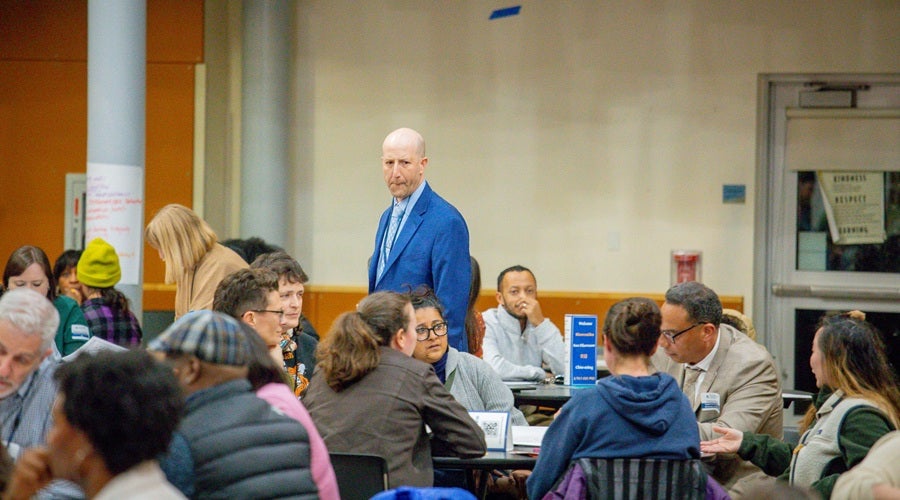
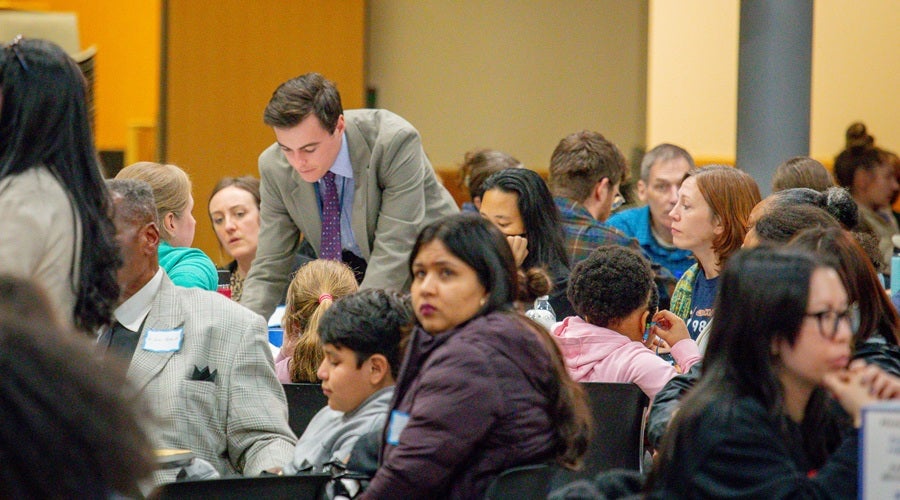
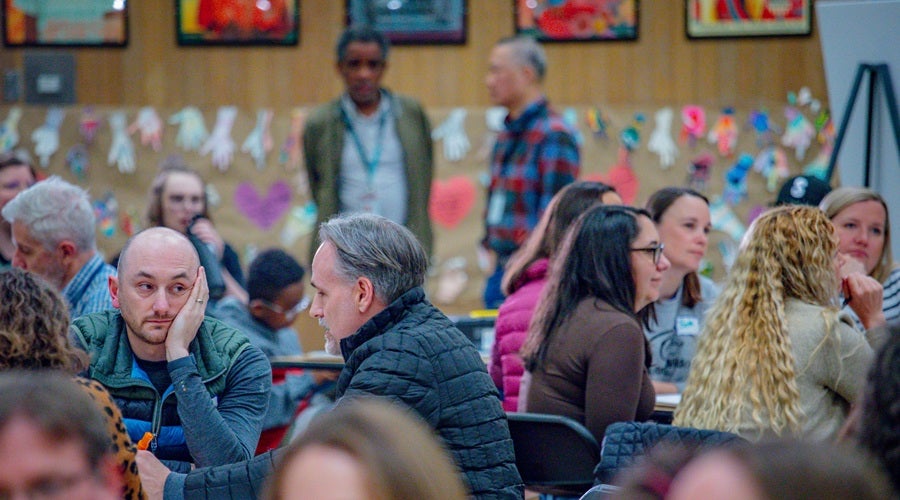

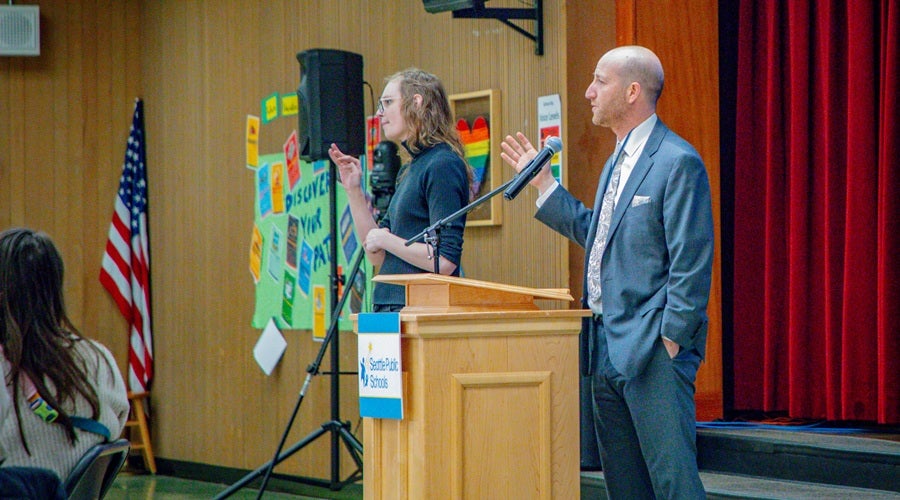
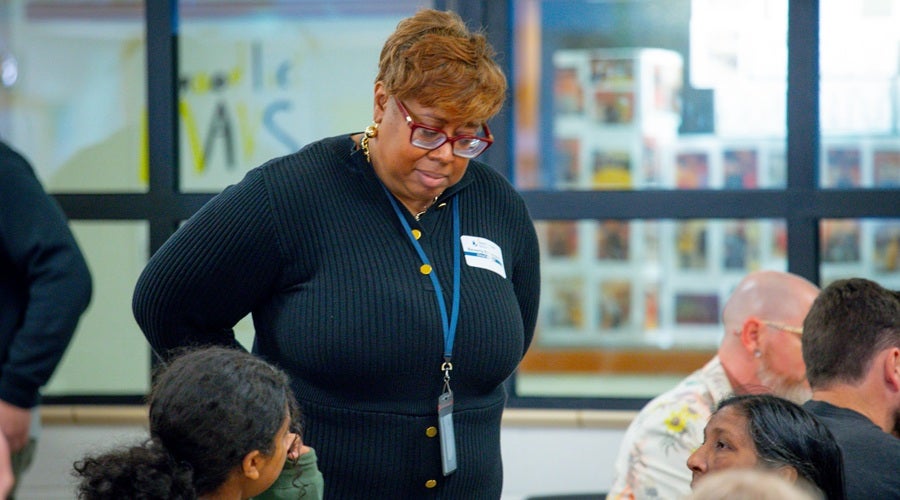
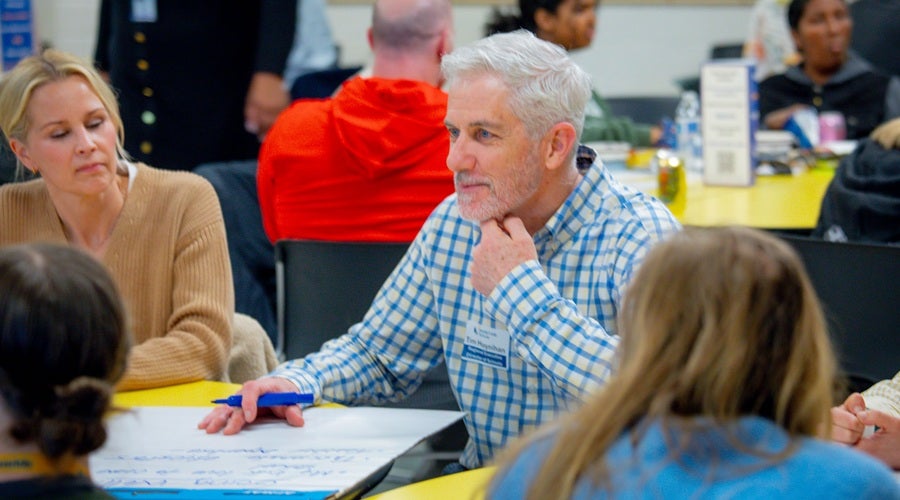
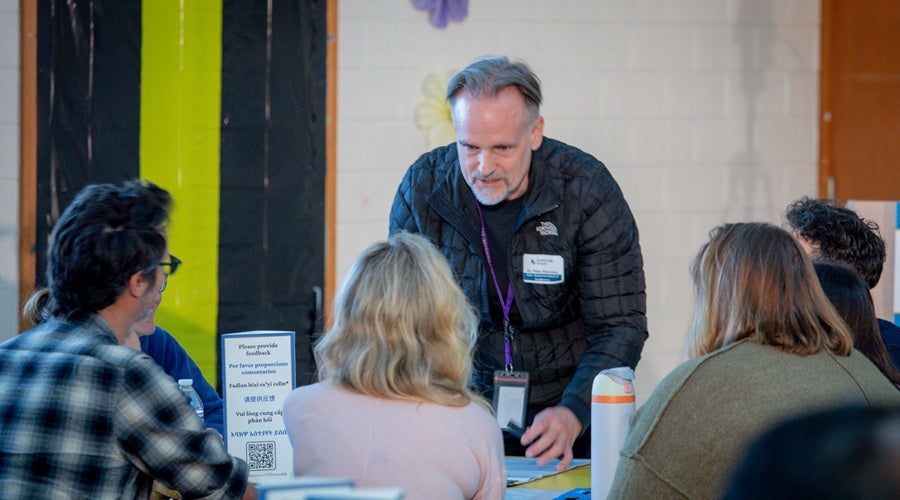
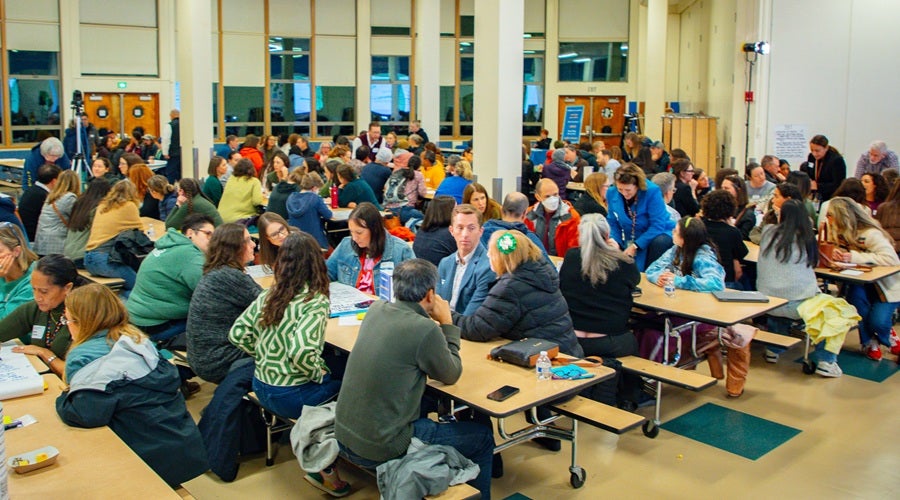
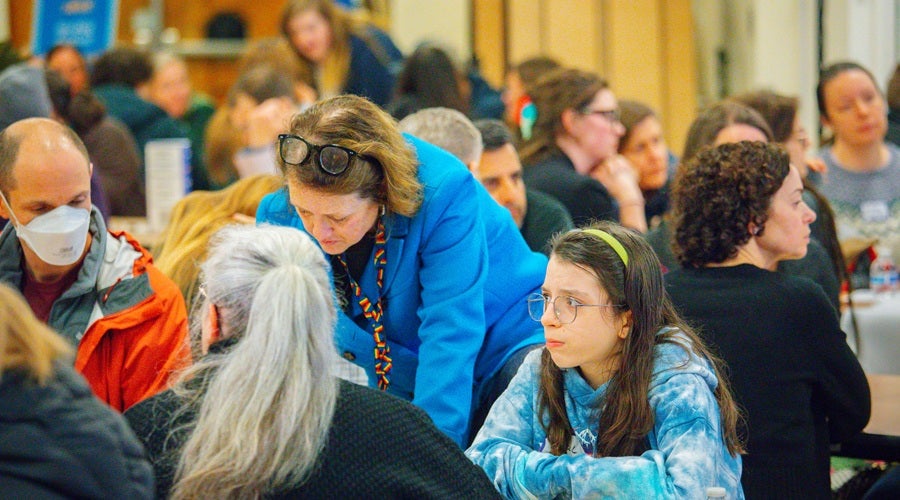
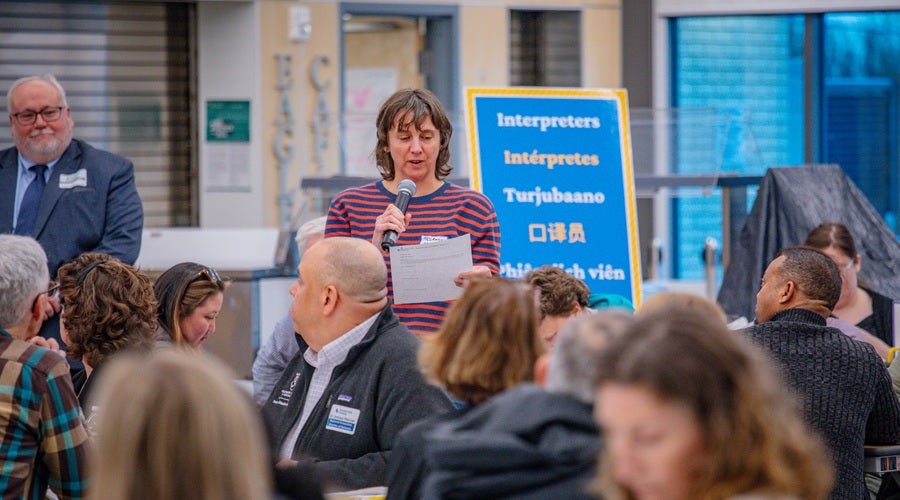
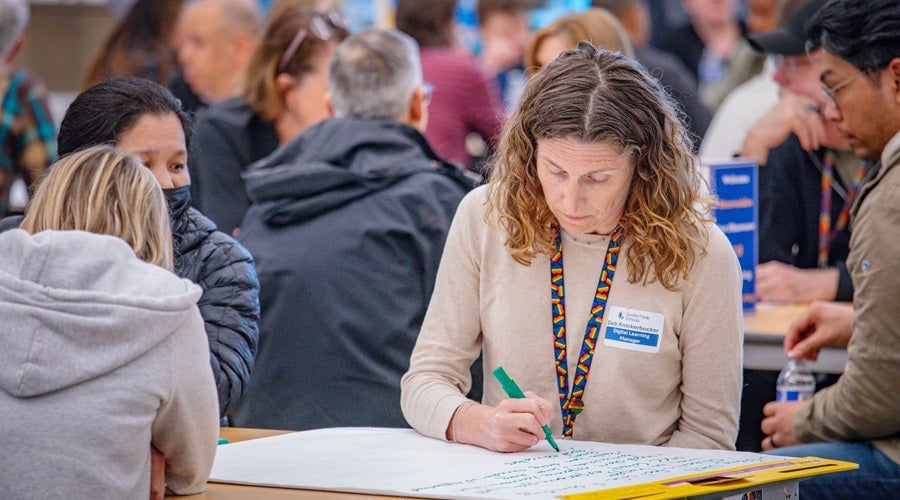
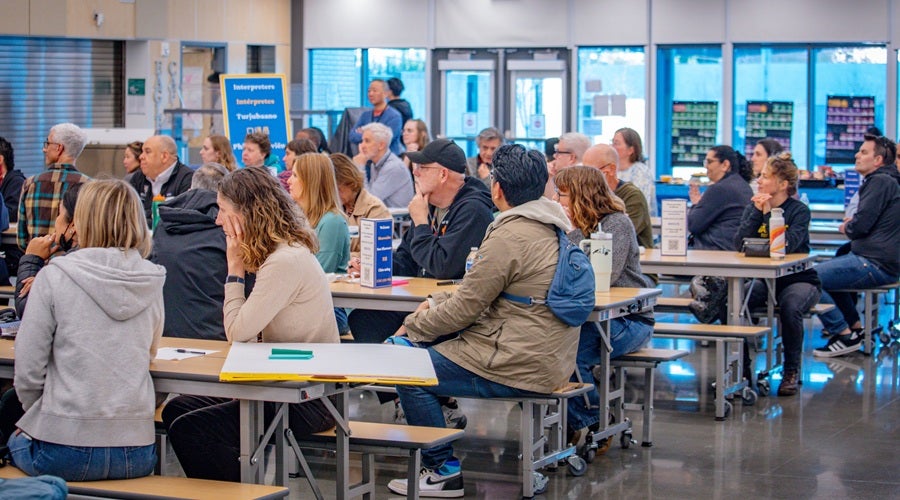
At each meeting, participants broke into small groups and responded to three questions:
- What is going well at Seattle Public Schools?
- What is not going well?
- What are your ideas for improvement?
Every response was captured on posters, photographed, and transcribed. Nothing was left out.
Below you’ll find a summary of what we heard, a detailed districtwide summary, and individual meeting recaps.
Summary of What We Heard
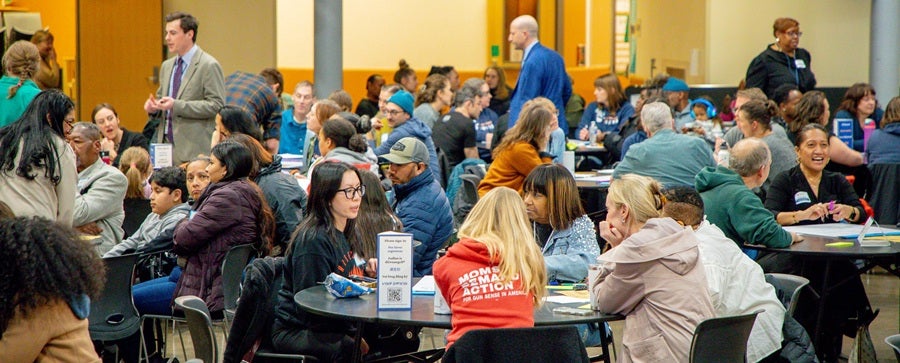
From February to April 2026, more than 1,000 families, students, staff, and the community participated in meetings that Superintendent Ben Shuldiner hosted in each of the seven board director districts along with one virtual session.
What we heard from our community (PDF)
What Participants Said Is Going Well:
- Strong, caring educators and staff
Teachers, counselors, principals, and school staff were described as dedicated, compassionate, and deeply committed to student success and relationships. - Positive school communities
Families felt that schools fostered a strong sense of belonging and celebrated their welcoming environments, cultural diversity, and active parent organizations. - Enrichment and extracurricular opportunities
Music, art, PE, theater, STEM, after‑school programs, sports, and cultural events were seen as essential to supporting the “whole child.” - Dual language and multilingual programs
Dual language programs were described as a point of pride and a reason families choose SPS schools. Many asked for these programs to be sustained and expanded. - Social emotional learning (SEL) and student supports
Mental health supports and SEL practices were viewed as deeply important. - School-level communication
Consistent, personal communication from teachers and principals was appreciated, as were the Superintendent’s weekly emails. - Access to basic needs and equity supports
Free breakfast and lunch, along with food, health, and family partnerships, were described as critical supports for students and families. - Academic opportunities where available
Families value highly capable services, accelerated math, and positive early results from Science of Reading implementation in some schools.
What Participants Said Is Not Going Well:
- Technology overuse
Excessive screen time, especially in younger grades, and unclear policies on cell phones and AI were common concerns. - Safety and school climate
Families cited inconsistent discipline, escalating student behavior, and concerns about physical safety. - Equity and resource disparities
Equity was seen as a stated value that is not always realized across schools. - Barriers to volunteer and family engagement
Volunteer processes were described as slow and confusing, and families often felt engagement happened after decisions were already made. - Budget, staffing, and enrollment instability
Families described opaque budgeting, large class sizes, staffing shortages, and October staffing changes as disruptive and inequitable. - Communication, transparency, and trust
Many families shared frustration with inconsistent messaging, frequent changes, and unclear decision-making processes from the district. - Advanced learning and academic rigor
Families raised concerns about inconsistent services, limited differentiation, and a perceived decline in academic challenge. - Specialized services and supports
Special Education and 504 services were described as inconsistent and difficult to navigate, with staffing gaps and unclear accountability.
Ideas Participants Shared for Improvement:
- Increase budget transparency and equitable resource allocation
- Stabilize staffing and ensure baseline services in every school
- Improve communication and engage families earlier in decisions
- Strengthen academic rigor, differentiation based on skill, and advanced learning opportunities
- Sustain and expand dual language programs
- Reduce technology overuse and clarify expectations
- Simplify volunteer and family engagement processes
- Ensure clear, transparent facilities and consolidation planning
What’s Next:
Superintendent Shuldiner will use this feedback to guide both short‑term and long‑term actions in leading the district. He plans to continue monthly community engagement sessions, including conversations focused on specific topics and on different school levels (elementary, middle, and high school). Feedback about the meetings themselves will be used to improve the format and discussions over time.
Thank you for your continued support of Seattle Public Schools.
ከማህበረሰባችን የሰማናቸው ዋና ዋና ነጥቦች (PDF)
ሱፐርኢንቴንደንት ቤን ሹልዲነር ከየካቲት እስከ ሚያዝያ 2026 ባለው ጊዜ ውስጥ፤በሰባቱም የቦርድ ዳይሬክተር ዲስትሪክቶች እና በአንድ የኢንተርኔት ስብሰባ ላይ ባደረጓቸው ስብሰባዎች ከ1,000 በላይ የሚሆኑ ቤተሰቦች፣ ተማሪዎች፣ሰራተኞች እና የማህበረሰብ አባላት ተሳትፈዋል።
ተሳታፊዎች በጥሩ ሁኔታ እየሄዱ ናቸው ያሏቸው ጉዳዮች:
- ብቁ እና ተንከባካቢ መምህራንና ሰራተኞች
መምህራን፣አማካሪዎች፣ርዕሰ መምህራን እና የትምህርት ቤት ሰራተኞች፤ለተማሪዎች ስኬትና መልካም ግንኙነት በትጋት የሚሰሩ፣አሳቢ እና ለስራቸው ታማኝ መሆናቸው በውይይቱ ላይ ተገልጿል። - አዎንታዊ የትምህርት ቤት ድባብ/ማህበረሰብ
ቤተሰቦች ትምህርት ቤቶች ተማሪዎችና ቤተሰቦች የትምህርት ቤቱ አካል እንደሆኑ እንዲሰማቸው ፣እንዲሁም ለባህል ስብጥርና ለወላጆች ተሳትፎ የሚሰጡት ትኩረት በመልካም ጎኑ ተጠቅሷል። - ተጨማሪ የትምህርት ማበልጸጊያ እና ከትምህርት ሰዓት ውጭ የሚሰጡ እድሎች/አማራጮች
ሙዚቃ፣ስነ-ጥበብ፣የአካል ብቃት እንቅስቃሴ (PE)፣ቴአትር፣ሳይንስና ቴክኖሎጂ (STEM)፣ ከትምህርት ሰዓት በኋላ የሚሰጡ ፕሮግራሞች፣ስፖርት እና ባህላዊ ዝግጅቶች፤ለአንድ ተማሪ ሁለንተናዊ እድገት (Whole Child) አስፈላጊ እንደሆኑ ይታመናል። - ሁለት ቋንቋዎችን እና ዘርፈ-ብዙ ቋንቋዎችን መሰረት ያደረጉ የትምህርት ፕሮግራሞች
ሁለት ቋንቋዎችን መሰረት ያደረጉ ትምህርቶች የማህበረሰቡ ኩራት ከመሆናቸውም በላይ ቤተሰቦች ሲያትል የሕዝብ ትምህርት ቤቶችን እንዲመርጡ የሚያበረታታዋና ምክንያት እንደሆነ ተገልጸዋል።በመሆኑም እነዚህ ፕሮግራሞች በበለጠ ሁኔታ ተጠናክረው እንዲቀጥሉና ተደራሽነታቸው እንዲሰፋ ጥያቄ ቀርቧል። - የማህበራዊና ስሜታዊ ትምህርት (SEL) እና የተማሪዎች ድጋፍ
የአእምሮ ጤና አገልግሎቶች እና ማህበራዊና ስሜታዊ ክህሎትን የሚያሳድጉ ስራዎች ለተማሪዎች ደህንነት ያላቸው ፋይዳ እጅግከፍተኛ እንደሆነ በውይይቱ ወቅት ተገልጿል። - በትምህርት ቤት ደረጃ የሚደረግ የመረጃ ልውውጥ
መምህራንና ርዕሰ መምህራን ከቤተሰቦች ጋር የሚያደርጉት መደበኛና ግልጽ ግንኙነት፣እንዲሁም በየሳምንቱ በሱፐርኢንቴንደንቱየሚላኩ ኢሜይሎች አድናቆት ተችሯቸዋል። - መሠረታዊ ፍላጎቶችን ማግኘት እና ፍትሃዊ ተጠቃሚነትን የሚያረጋግጡ ድጋፎች
በትምህርት ቤት የሚቀርቡ ነፃ የቁርስ እና ምሳ አገልግሎቶች እንዲሁም የጤናና የቤተሰብ ድጋፍ አጋርነቶች፤ ለለተማሪዎችናለቤተሰቦች ወሳኝ ድጋፎች እንደሆኑ ተገልጸዋል። - አካዳሚክ (የትምህርት) ዕድሎች
ቤተሰቦች ለከፍተኛ ችሎታ ላላቸው ተማሪዎች የሚሰጡ አገልግሎቶች፣ የተፋጠነ የሂሳብ ትምህርት እና በአንዳንድ ትምህርት ቤቶችተግባራዊ መሆን የጀመረው የንባብ ሳይንስ እያሳየ ያለውን አዎንታዊ ውጤት በከፍተኛ ሁኔታ አድንቋል።
ተሳታፊዎች በጥሩ ሁኔታ እየሄዱ አይደሉም ያሏቸው ጉዳዮች:
- የበጀት፣የሰው ኃይል እና የተማሪዎች ምዝገባ አለመረጋጋት
ቤተሰቦች ግልጽ ያልሆነ የበጀት አጠቃቀም፣የመማሪያ ክፍሎች መጨናነቅ፣የሰራተኞች እጥረት እና በጥቅምት ወር የሚደረጉ የሰራተኞች ሽግሽጎች የተማሪዎችን የመማር ሂደት የሚያውኩና ፍትሃዊነት የጎደላቸው መሆናቸውን ገልጸዋል። - የመረጃ ልውውጥ፣ግልጽነት እና እምነት
ብዙ ቤተሰቦች ከዲስትሪክቱ በሚወጡ ወጥ ያልሆኑ መልእክቶች፣ተደጋጋሚ ለውጦች እና ግልጽነት በሌላቸው የውሳኔ አሰጣጥ ሂደቶች የተነሳ ያላቸውን ቅሬታ ገልጸዋል። - የከፍተኛ ችሎታ ያላቸው ትምህርት እና አካዳሚያዊ ጥራት
አገልግሎቶች ወጥነት የሌላቸው መሆኑ፣የተማሪዎችን የተለያየ የመማር አቅም ግምት ውስጥ ያስገባ የትምህርት አሰጣጥ ውስንነት እና የትምህርቱ ጥራት (ፈታኝነት) እየቀነሰ መምጣቱ በቤተሰቦች ዘንድ እንደ ስጋት ተነስተዋል። - ልዩ ፍላጎት ላላቸው ተማሪዎች የሚሰጡ አገልግሎቶች እና ድጋፎች
የልዩ ፍላጎት ትምህርት እና የ504 አገልግሎቶች ወጥ ያልሆኑና ለመረዳት አስቸጋሪ እንደሆኑ ተገልጸዋል፤በተጨማሪም የሰው ኃይል እጥረት እና ግልጽ ያልሆነ ተጠያቂነት እንደሚታይባቸው ተጠቅሷል። - ቴክኖሎጂን ከልክ ያለፈ መጠቀም
ተማሪዎች ለረጅም ሰዓት በዲጂታል መሣሪያዎች ፊት ማሳለፋቸው፣ በተለይም በታችኛው ክፍሎች ያለው ሁኔታ አሳሳቢ መሆኑ ተገልጿል።በተጨማሪም የሞባይል ስልክ እና የአርቴፊሻል ኢንተለጀንስ (AI) አጠቃቀምን ስመልክቶ ግልጽ መመሪያዎች አለመኖር በብዙዎች ዘንድ እንደ ስጋት ተነስቷል። - የትምህርት ቤት ደህንነት እና አካባቢያዊ ሁኔታ
ቤተሰቦች የሥነ-ሥርዓት እርምጃዎች ወጥነት የሌላቸው መሆኑ፣የተማሪዎች የባሕሪ ችግር እየተባባሰ መምጣቱ እና ስለ አካላዊ ደህንነት ስጋቶችን ጠቅሰዋል። - ፍትሃዊነት እና የግብዓት አቅርቦት አለመመጣጠን
ፍትሃዊነት እንደ ትልቅ ግብ ቢቀመጥም፣በተግባር ግን በሁሉም ትምህርት ቤቶች እኩል ተፈጻሚ እየሆነ እንዳልሆነ ይስተዋላል። - የበጎ ፈቃደኞችን እና የቤተሰብ ተሳትፎን የሚገቱ መሰናክሎች
የበጎ ፈቃደኝነት አገልግሎት ለመስጠት የሚጠየቁ መስፈርቶች አሰልቺና ግልጽነት የጎደላቸው መሆኑ ተገልጿል፣እና ቤተሰቦች ብዙውን ጊዜ ውሳኔ ከተሰጠ በኋላ ተሳትፎ እንደሚደረግ ይሰማቸዋል።
ተሳታፊዎች ለማሻሻያ ያቀረቧቸው ሃሳቦች:
- የበጀት ግልጽነትን ማሳደግ እና ፍትሃዊ የሀብት ክፍፍልን ማረጋገጥ
- የሰራተኞችን ሁኔታ ማረጋጋት እና በእያንዳንዱ ትምህርት ቤት መሰረታዊ አገልግሎቶች መሟላታቸውን ማረጋገጥ
- የመረጃ ልውውጥ ስርዓትን ማሻሻል እና ማንኛቸውም ውሳኔዎች ከመተላለፋቸው በፊት ቤተሰቦች ቀድመው እንዲሳተፉና ሃሳብ እንዲሰጡበት ማድረግ።
- የአካዳሚክ ጥራትን ማጠናከር፣በክህሎት ላይ የተመሰረተ የማስተማር ዘዴን መከተል እና የከፍተኛ ችሎታ ያላቸውን የትምህርት ዕድሎችን ማመቻቸት
- የሁለትዮሽ ቋንቋ (Dual Language) ትምህርት ፕሮግራሞች ማጠናከርና ይበልጥ ተደራሽ እንዲሆኑ ማስፋፋት
- ከፍተኛ የቴክኖሎጂ አጠቃቀምን መገደብ እና ግልጽ የአጠቃቀም ደንቦችን ማስቀመጥ
- የበጎ ፈቃደኝነት እና የወላጆች ተሳትፎ አሰራሮችን ቀላል እና ተደራሽ ማድረግ
- ግልጽና ተጠያቂነት የሰፈነበት የመሠረተ-ልማቶች እና የትምህርት ቤቶች መልሶ ማደራጀት እቅድ ማውጣት
ቀጣይ እርምጃዎች:
ሱፐርኢንቴንደንት ሹልዲነር ይህንን አስተያየት ዲስትሪክቱን ለመምራት ለሚወስዳቸው የአጭርና የረጅም ጊዜ እርምጃዎች እንደ መመሪያ ይጠቀምበታል።በየወሩ የሚካሄዱ የማህበረሰብ ተሳትፎ መድረኮችን ለመቀጠል ያቀደ ሲሆን፣ይህም በተወሰኑ ርዕሰ ጉዳዮች እና በተለያዩ የትምህርት ደረጃዎች (አንደኛ ደረጃ፣መካከለኛ ደረጃ እና ሁለተኛ ደረጃ) ላይ የሚያተኩሩ ውይይቶችን ያካትታል።ስለ ስብሰባዎቹ የሚሰጡ አስተያየቶችም በጊዜ ሂደት የውይይቶቹን ቅርጽና ይዘት ለማሻሻል ጥቅም ላይ ይውላሉ።ለሲያትል የሕዝብ ትምህርት ቤቶች ለምታደርጉት ቀጣይነት ያለው ድጋፍ እናመሰግናለን።
从2026年二月到四月,有超过1,000个家庭、学生、职员以及社区成员参加了Ben Shuldiner 总监在七个校董区域举办的会议,和一次在网上的会议。
参与的人士说我们在哪一方面做得好
- 坚强、关心学生的教育工作者和职员
老师、辅导员、校长和学校职员被描述为敬业、有同情心,并且对学生的成功和关系投入深厚的承诺。 - 积极的学校社区
家庭认为学校培养了强烈的归属感,同时庆祝其热情的环境、多元文化和积极的家长组织。 - 充实和课后活动的机会
音乐、艺术、体育、戏剧、STEM、课后活动、体育运动和文化活动被视为支持“全面孩子的发展”的重要元素。 - 双语和多语言加强英文的课程
双语课程被描述为大家引以为豪的课程,也是家庭选择SPS学校的原因。许多人希望这些课程能够得到维持和扩展。 - 社交情绪的学习 (SEL) 和学生的支持
心理健康支持和社交情绪的学习(SEL)实践都被认为是非常重要的。 - 学校层面的沟通
老师和校长持续、个人的沟通受到了赞赏,总监每周的电子邮件也同样受到认可。 - 获得基本的需求和公平支持
免费的早餐和午餐,以及食品、健康和家庭合作,被描述为对学生和家庭的关键支持。 - 有提供学业机会
家庭非常重视高能力服务、加速数学课程和在一些学校进行阅读科学所取得的积极早期成果。
参与的人士说我们在哪一方面做得不好
- 预算、职员的安排人和入学人数不稳定
家庭说出我们有不透明的预算、班级人数太多、职员短缺和十月份的职员变动带来的干扰和不公。 - 沟通,透明度,和信任
许多家庭对校区的信息不一致、频繁变化以及不清晰的决策过程感到沮丧。 - 资优学习和严谨的学习
家庭对服务不一致、有限的区分以及在学业挑战感下降表示担忧。 - 专业服务与支持
特殊教育和504服务被描述为不一致且难以操作,存在职员缺口和责任不明确的情况。 - 过度使用科技
过多的电脑/手机观看时间,特别是在低年级,以及关于手机和人工智能的不明确政策是常见的关注点。 - 学校的安全与氛围
家庭提到惩戒行动不一致、学生行为恶化以及对身体安全的担忧。 - 公平与资源差距
公平被视为一种声明的价值,但并不总是在各学校中实现。 - 志愿者参与时遇到的障碍与家庭的参与
作为志愿者的过程被描述为缓慢且令人困惑,家庭常常觉得参与是在决定已经做出之后才发生的。
参与者分享改进的建议:
- 提高预算透明度和公平的资源分配
- 稳定职员安排,确保每一所学校都获得基本的服务
- 改善沟通并让家庭更早参与决策
- 加强学业的严谨性、根据能力进行不一样的教育以及提供资优学习机会
- 维持和扩展双语课程
- 减少过度使用科技并有明确的期望
- 简化志愿者和家庭参与的过程
- 确保设施清晰透明,并进行整合规划
下一步:
Shuldiner总监会利用这些反馈来指导校区领导的短期和长期行动。他计划继续每月举行社区参与会议,包括针对特定主题和不同学校级别(小学、初中和高中)的讨论。有关会议本身的反馈会随着时间的推移改进会议的形式和讨论内容。谢谢你对西雅图公立学校的持续支持。
Waxyaabihii aan ka Maqalnay Bulshadeenna (PDF)
Laga soo bilaabo Febraayo ilaa Abriil 2026, in ka badan 1,000 qoys, arday, shaqaale, iyo xubnaha bulshada ayaa ka qaybgalay kulamo uu Kormeeraha Guud Ben Shuldiner ku qabtay mid kasta oo ka mid ah toddobada degmo ee agaasimayaasha guddiga, oo ay weheliso hal kulan oo dhanka internetka ah (virtual).
Waxyaabaha ay Ka-qaybgalayaashu Sheegeen in ay Si Fiican u Socdaan
- Barayaal iyo shaqaale xoogan oo si daryeel leh u shaqaya
Macallimiinta, la-taliyayaasha, maamulayaasha, iyo shaqaalaha dugsiga ayaa lagu tilmaamay inay yihiin kuwo heersare ah, naxariis badan, oo si weyn ugu hibeeyay naftooda guusha ardayda iyo dhisidda xiriirka. - Bulshooyin dugsi oo wanaagsan
Qoysasku waxay dareemeen in dugsiyadu kobciyeen dareen xooggan oo la xiriira ka-mid-ahaanshiyaha, waxayna ammaan dusha kaga tuureen deegaannada soo dhoweynta leh, kala duwanaanshaha dhaqanka, iyo ururrada waalidiinta ee firfircoon. - Fursadaha kobcinta iyo hawlaha manhajka ka baxsan
Muusigga, farshaxanka, jimicsiga (PE), masraxa, STEM, barnaamijyada dugsiga kadib, ciyaaraha, iyo dhacdooyinka dhaqanka ayaa loo arkay inay muhiim u yihiin taageerada horumarka “ilmaha oo dhan.” - Barnaamijyada labada luuqadood iyo luuqadaha badan
Barnaamijyada labada luuqadood ayaa lagu tilmaamay inay yihiin wax lagu faano iyo sabab ay qoysasku u doortaan dugsiyada SPS. Qaar badan ayaa codsaday in barnaamijyadan la joogteeyo lana ballaariyo. - Barashada isdhex-galka iyo shucuurta (SEL) iyo taageerada ardayda
Taageerada caafimaadka maskaxda iyo dhaqammada SEL ayaa loo arkay inay yihiin kuwo aad u muhiim ah. - Xiriirka iyo wada hadalka heerka dugsiga
Xiriirka joogtada ah ee shakhsi ahaaneed ee ka imanaya macallimiinta iyo maamulayaasha ayaa la qaddariyay, sidoo kale waxaa la bogaadiyay iimayllada toddobadlaha ah ee Kormeeraha. - Helitaanka baahiyaha aasaasiga ah iyo taageerada sinnaanta
Quraacda iyo qadada lacag la’aanta ah, oo ay weheliyaan cuntada, caafimaadka, iyo iskaashiga qoyska, ayaa lagu tilmaamay inay yihiin taageero muhiim u ah ardayda iyo qoysaska. - Fursadaha akadeemiyadeed halka ay diyaar ka yihiin
Qoysasku waxay qiimeeyaan adeegyada kartida sare (highly capable), xisaabta horumarsan, iyo natiijooyinka hore ee wanaagsan ee ka dhashay hirgelinta Cilmiga Akhriska (Science of Reading) ee dugsiyada qaar.
Waxyaabaha ay Ka-qaybgalayaashu Sheegeen in aysan Si Fiican u Socon:
- Degganaansho la’aanta miisaaniyadda, shaqaalaha, iyo is-qorista
Qoysasku waxay ku tilmaameen miisaaniyad-samaynta mid aan muuqan, fasallo waaweyn, yaraanta shaqaalaha, iyo isbeddellada shaqaalaha ee bisha Oktoobar inay yihiin kuwo carqalad ku ah waxbarashada iyo caddaalad-darro. - Xiriirka, hufnaanta, iyo kalsoonida
Qoysas badan ayaa la wadaagay niyad-jab ku saabsan farriimaha aan is-waafaqsanayn, isbeddellada soo noqnoqda, iyo hababka go’aan qaadashada ee degmada oo aan caddayn. - Waxbarashada horumarsan iyo adkeynta akadeemiyadeed
Qoysasku waxay sare u qaadeen walaacyo ku saabsan adeegyada aan joogtada ahayn, kala duwanaanshaha xaddidan ee waxbaridda, iyo hoos u dhac laga dareemayo loolanka akadeemiyadeed. - Adeegyada iyo taageerooyinka gaarka ah
Waxbarashada Gaarka ah iyo adeegyada 504 ayaa lagu tilmaamay inay yihiin kuwo aan fadhin oo ay adag tahay in lagu dhex qalqaalo, iyadoo ay jiraan daldaloolo dhanka shaqaalaha ah iyo xisaabtan la’aan. - Isticmaalka xad-dhaafka ah ee tignoolajiyada
Wakhtiga badan ee lagu bixiyo shaashadaha, gaar ahaan fasallada yaryar, iyo xeerarka aan caddayn ee ku saabsan talefannada gacanta iyo AI (caqliga macmalka ah) ayaa ahaa walaacyo caadi ah. - Badbaadada iyo jawiga dugsiga
Qoysasku waxay soo xigteen asluub-marinta aan joogtada ahayn, dabeecadaha ardayda ee sii xumaanaya, iyo walaacyada ku saabsan badbaadada jirka. - Sinnaanta iyo farqiga udhexeeya ilaha kheyraadka
Sinnaanta waxaa lugu tilmaama iney tahay qiimo joogto ah balse aan had iyo jeer laga dhabayn dhamaan dugsiyada. - Caqabadaha hortaagan tabaruca iyo ka-qaybgalka qoyska
Hababka tabaruca ayaa lagu tilmaamay inay yihiin kuwo gaabis ah oo wareer leh, qoysaskuna waxay inta badan dareemeen in ka-qaybgalkoodu yimaado ka dib markii go’aannada hore loo gaaray.
Fikradaha ay Ka-qaybgalayaashu Nala Wadaageen si loo Horumariyo:
- Kordhinta hufnaanta miisaaniyadda iyo qoondaynta kheyraadka si caddaalad ah
- Xasilinta shaqaalaha iyo hubinta adeegyada aasaasiga ah ee dugsi kasta
- Hagaajinta xiriirka iyo ka-qaybgalinta qoysaska go’aannada waqti hore
- Xoojinta adkeynta akadeemiyadeed, kala duwanaanshaha ku salaysan xirfadda, iyo fursadaha barashada horumarsan
- Joogteynta iyo ballaarinta barnaamijyada labada luuqadood
- Yareynta isticmaalka xad-dhaafka ah ee tignoolajiyada iyo caddaynta waxyaabaha laga filayo
- Sahalinta hababka tabaruca iyo ka-qaybgalka qoyska
- Hubinta qorshayn hufan oo cad oo ku saabsan dhismaha iyo isku-darka dugsiyada
Maxaa Xiga:
Kormeeraha Shuldiner wuxuu isticmaali doonaa ra’yigan si uu u hagayo ficillada muddada gaaban iyo muddada dheer ee hoggaaminta degmada. Wuxuu qorsheynayaa inuu sii wado fadhiyada ka-qaybgalka bulshada ee bil kasta, oo ay ku jiraan sheekaysiga diiradda lagu saarayo mowduucyo gaar ah iyo heerarka dugsiyada ee kala duwan (dugsiga hoose, dhexe, iyo sare). Ra’yiga ku saabsan kulammada laftooda ayaa loo isticmaali doonaa in lagu horumariyo qaabka iyo doodaha waqti ka dib. Waad ku mahadsan tahay taageeradaada joogtada ah ee Dugsiyada Dadweynaha ee Seattle.
Lo que escuchamos de nuestra comunidad (PDF)
De febrero a abril de 2026, más de 1.000 familias, estudiantes, personal y miembros de la comunidad participaron en reuniones que el superintendente Ben Shuldiner organizó en cada uno de los siete distritos de la junta directiva, además de una sesión virtual.
Lo que dijeron los participantes va bien:
- Educadores y personal fuertes y atentos
Maestros, consejeros, directores y personal escolar fueron descritos como dedicados, compasivos y profundamente comprometidos con el éxito y las relaciones con los estudiantes. - Comunidades escolares positivas
Las familias consideraron que las escuelas fomentaban un fuerte sentido de pertenencia y elogiaron sus entornos acogedores, la diversidad cultural y las organizaciones de padres activas. - Enriquecimiento y oportunidades extracurriculares
La música, el arte, la educación física, el teatro, las STEM, los programas‑extraescolares, los deportes y los eventos culturales se consideraban esenciales para apoyar al “niño en su totalidad”. - Programas de doble inmersión y multilingües
Los programas de doble inmersión se describieron como motivo de orgullo y una razón por la que las familias eligen las escuelas SPS. Muchos solicitaron que estos programas se mantuvieran y ampliaran. - Aprendizaje socioemocional (SEL) y apoyos a los estudiantes
Los apoyos en salud mental y las prácticas de SEL se consideraban de gran importancia. - Comunicación a nivel escolar
Se agradeció una comunicación constante y personal por parte de maestros y directores, al igual que los correos semanales del superintendente. - Acceso a necesidades básicas y apoyos de equidad
El desayuno y la comida gratuitos, junto con la alimentación, la salud y las asociaciones familiares, se describieron como apoyos fundamentales para los estudiantes y las familias. - Oportunidades académicas cuando estén disponibles
Las familias valoran servicios altamente capacitados, matemáticas aceleradas y resultados positivos tempranos de la implementación de Science of Reading en algunas escuelas.
Lo que dijeron los participantes no va bien:
- Presupuesto, personal e inestabilidad en las inscripciones
Las familias describieron el presupuesto opaco, el gran tamaño de las clases, la escasez de personal y los cambios en el personal de octubre como disruptivos e inequitativos. - Comunicación, transparencia y confianza
Muchas familias compartieron frustración por mensajes inconsistentes, cambios frecuentes y procesos de toma de decisiones poco claros por parte del distrito. - Aprendizaje avanzado y rigor académico
Las familias expresaron preocupación por la inconsistencia de los servicios, la diferenciación limitada y la percepción de un descenso de la dificultad académica. - Servicios y apoyos especializados
Educación Especial y los servicios 504 fueron descritos como inconsistentes y difíciles de navegar, con carencias de personal y una rendición de cuentas poco clara. - Uso excesivo de tecnología
El exceso de tiempo frente a pantallas, especialmente en los grados inferiores, y las políticas poco claras sobre teléfonos celulares y IA eran preocupaciones habituales. - Seguridad y clima escolar
Las familias citaron disciplina inconsistente, comportamientos de los estudiantes cada vez más problemáticos y preocupaciones sobre la seguridad física. - Desigualdades en equidad y recursos
La equidad se consideraba un valor declarado que no siempre se realiza en todas las escuelas. - Barreras para la participación del voluntariado y la familia
Los procesos de voluntariado se describieron como lentos y confusos, y las familias a menudo sentían que la participación se producía después de que las decisiones ya se habían tomado.
Ideas que los participantes compartieron para mejorar:
- Aumentar la transparencia presupuestaria y la asignación equitativa de recursos
- Estabilizar el personal y garantizar servicios básicos en cada escuela
- Mejorar la comunicación e implicar a las familias más temprano en las decisiones
- Fortalecer el rigor académico, la diferenciación basada en la habilidad y las oportunidades avanzadas de aprendizaje
- Mantener y ampliar los programas de doble inmersión
- Reducir el uso excesivo de tecnología y clarificar las expectativas
- Simplificar los procesos de voluntariado y de participación familiar
- Garantizar instalaciones claras y transparentes y una planificación de consolidación
Qué sigue:
El superintendente Shuldiner utilizará estos comentarios para guiar tanto las acciones a corto como a largo plazo en la dirección del distrito. Planea continuar con sesiones mensuales de participación comunitaria, que incluirán conversaciones centradas en temas específicos y en diferentes niveles escolares (primaria, secundaria y preparatoria). La retroalimentación sobre las propias reuniones se utilizará para mejorar el formato y las discusiones con el tiempo. Gracias por su continuo apoyo a las Escuelas Públicas de Seattle.
Những gì chúng tôi nghe được từ cộng đồng (PDF)
Từ tháng Hai đến tháng Tư năm 2026, hơn 1,000 gia đình, học sinh, nhân viên và thành viên cộng đồng đã tham gia các cuộc họp mà tổng Giám đốc Ben Shuldiner tổ chức ở mỗi quận cùng với các giám đốc hội đồng của mỗi quận và một phiên họp trực tuyến.
Những điều mà người tham gia nói đang diễn ra tốt
- Các nhà giáo dục và nhân viên mạnh mẽ, quan tâm
Giáo viên, cố vấn, hiệu trưởng và nhân viên nhà trường được mô tả là tận tâm, nhân ái và cam kết sâu sắc với sự thành công và xây dựng các mối quan hệ của học sinh. - Cộng đồng trường học tích cực
Các gia đình cảm thấy rằng các trường học nuôi dưỡng cảm giác thân thuộc mạnh mẽ và tôn vinh môi trường thân thiện, sự đa dạng văn hóa và các tổ chức phụ huynh tích cực. - Cơ hội bồi dưỡng và ngoại khóa
Âm nhạc, nghệ thuật, thể dục, sân khấu, STEM,‑các chương trình sau giờ học, thể thao và các sự kiện văn hóa được coi là điều cần thiết để hỗ trợ “toàn bộ cho học sinh.” - Các chương trình song ngữ và đa ngôn ngữ
Các chương trình song ngữ được mô tả là một điểm tự hào và là lý do các gia đình chọn trường SPS. Nhiều người yêu cầu các chương trình này được duy trì và mở rộng. - Học tập cảm xúc xã hội (SEL) và hỗ trợ học sinh
Hỗ trợ sức khỏe tâm thần và thực hành SEL được coi là vô cùng quan trọng. - Giao tiếp cấp trường học
Giao tiếp cá nhân, nhất quán từ giáo viên và hiệu trưởng được đánh giá cao, cũng như các email hàng tuần từ tổng giám đốc. - Tiếp cận các nhu cầu cơ bản và hỗ trợ công bằng
Bữa sáng và bữa trưa miễn phí, cùng với thực phẩm, sức khỏe và quan hệ đối tác gia đình, được mô tả là những hỗ trợ quan trọng cho học sinh và gia đình. - Cơ hội học tập nếu có
Các gia đình đánh giá cao các dịch vụ dành cho học sinh năng khiếu, chương trình toán nâng cao, và những kết quả khả quan bước đầu từ việc triển khai phương pháp Science of Reading tại một số trường học.
Những điều người tham gia cho rằng chưa hiệu quả:
- Bất ổn về ngân sách, nhân sự và tuyển sinh
Các gia đình mô tả rằng quy trình ngân sách thiếu minh bạch, sĩ số lớp học đông, tình trạng thiếu hụt nhân sự và những thay đổi về nhân sự vào tháng 10 là những yếu tố gây xáo trộn và mất công bằng. - Truyền thông, sự minh bạch và niềm tin
Nhiều gia đình đã bày tỏ sự thất vọng trước việc thông tin thiếu nhất quán, các thay đổi xảy ra thường xuyên và quy trình ra quyết định không rõ ràng từ phía học khu. - Học tập nâng cao và yêu cầu học thuật cao
Các gia đình đã bày tỏ lo ngại về việc các dịch vụ hỗ trợ thiếu nhất quán, phương pháp giảng dạy phân hóa còn hạn chế, và sự sụt giảm đáng kể về tính thử thách trong học thuật. - Các dịch vụ và hỗ trợ đặt biệt
Các dịch vụ Giáo dục Đặc biệt và chương trình 504 được mô tả là thiếu nhất quán và khó tiếp cận, cùng với đó là tình trạng thiếu hụt nhân sự và trách nhiệm không rõ ràng. - Sử dụng công nghệ quá mức
Thời gian sử dụng thiết bị điện tử quá mức, đặc biệt là ở các khối lớp nhỏ, cùng với các chính sách không rõ ràng về điện thoại di động và trí tuệ nhân tạo (AI) là những mối quan ngại phổ biến. - An toàn và môi trường học đường
Các gia đình đã dẫn chứng về tình trạng kỷ luật thiếu nhất quán, các hành vi của học sinh đang ngày càng leo thang, và những lo ngại về an toàn thân thể. - Sự công bằng và chênh lệch về nguồn lực
Sự công bằng được xem là một giá trị cốt lõi, nhưng không phải lúc nào cũng được thực hiện trọn vẹn tại tất cả các trường. - Những trở ngại trong việc tình nguyện và tham gia của phụ huynh
Quy trình đăng ký tình nguyện phản ánh là chậm và gây bối rối; bên cạnh đó, các gia đình thường có cảm giác rằng họ chỉ được mời gọi tham gia sau khi các quyết định vốn đã được đưa ra.
Đề xuất cải tiến từ những người tham gia:
- Tăng cường tính minh bạch trong ngân sách và phân bổ nguồn lực một cách công bằng
- Ổn định nhân sự và đảm bảo các dịch vụ thiết yếu tại mọi trường học
- Cải thiện công tác truyền thông và thu hút sự tham gia của phụ huynh sớm hơn trong quá trình ra quyết định
- Củng cố tính học thuật nghiêm ngặt, giảng dạy phân hóa dựa trên năng lực và mở rộng các cơ hội học tập nâng cao
- Duy trì và mở rộng các chương trình song ngữ
- Giảm thiểu việc lạm dụng công nghệ và làm rõ các kỳ vọng về việc sử dụng thiết bị
- Đơn giản hóa quy trình tình nguyện và các hoạt động gắn kết gia đình
- Đảm bảo tính rõ ràng và minh bạch trong việc lập quy hoạch cơ sở vật chất và hợp nhất các trường học
Các bước tiếp theo:
Tổng giám đốc Học khu Shuldiner sẽ sử dụng những phản hồi này để định hướng cho các hành động ngắn hạn và dài hạn trong việc điều hành học khu. Ông có kế hoạch tiếp tục duy trì các buổi gắn kết cộng đồng hàng tháng, bao gồm các cuộc đối thoại tập trung vào những chủ đề cụ thể và các cấp học khác nhau (tiểu học, trung học cơ sở và trung học phổ thông). Những ý kiến đóng góp về chính các buổi họp này sẽ được sử dụng để cải thiện hình thức tổ chức và chất lượng thảo luận theo thời gian. Xin cảm ơn sự ủng hộ liên tục của quý vị dành cho Trường Công Lập Seattle.
A detailed districtwide summary of feedback from all eight sessions, including themes, quotes, and school-by-school breakdowns.
Individual Meeting Recaps
Read the feedback from the Feb. 26 session at Bailey Gatzert
Families described strong student–adult relationships, committed educators, and small school environments that foster belonging, pride, and community.
“Teachers are passionate, caring, committed to students.”
“Small school, tight community, walkable (small school works well for all members).”
Families expressed concerns about trust, transparency, staffing instability, large class sizes, and systems that negatively affect student learning and confidence in the district.
“Trust + transparency is shot (closing process).”
“Classes too big.”
Participants identified concrete opportunities to improve transparency, resource allocation, engagement, and systems that better support schools and families.
“More money to individual schools to spend on evidence-based approaches that
are needed by the community.”
“Make the website easier to navigate / understand.”
Read the feedback from the March 3 session at South Shore PreK-8
Families emphasized that strong educators, deep community relationships, and dual language programs are the core strengths of keeping families engaged and invested.
“Amazing teachers and educators… dedication of dual-language teachers w/o resources and support.”
“Schools seen and experienced as community and community hub/resource (neighborhood).”
“Supportive staff who create a community of care for students.”
Families expressed concerns about inequitable funding, confusing and inconsistent communication, staffing models that do not reflect student needs, and lack of protection for dual language programs.
“Enrollment projections are low but inconsistent with wait lists.”
“PTA pays for librarians & nurses — NOT EQUITABLE.”
“Communication is poor… lack of transparency & tradeoffs.”
“Families struggle to navigate processes and identify points of contact.”
“Dual language schools do not get support — no allocation, curriculum, or lesson planning.”
Participants called for transparent decision-making, equitable and needs-based funding, stronger support for educators, and a clear, fully funded district commitment to dual language and community-centered schools.
“Fully fund dual language programs and expand pathways through high school.”
“District wide vision for Dual Language Schools that is clear and fully [funded].”
“Staffing should follow kids.”
“Transparency and realistic projections on enrollment — it has not been consistent.”
“Create clear AI governance and parent communication.”


Read the feedback from the March 10 session at Salmon Bay
Families described their school(s) as, community‑centered school with strong educators, effective literacy supports, and a K‑8 model that fosters belonging and continuity.
“Reading intervention process & strategies – 1st.”
“Global Reading Challenge – 4th.”
“Mixture of social eco in public school – people trust the public school system [is] doing something well to keep the trust of families.”
Families raised concerns about technology overload, inequitable access, lack of transparency, and systems that feel confusing, burdensome, or misaligned with student needs.
“Tech overload – reliance on this in classroom.”
“Too many names/acronyms – kids see one thing / adults another.”
“More emphasis on things being equal instead of surveying and figuring out how to be more equity focused.”
Participants emphasized the need to rebalance technology use, improve equity and transparency, and design systems that better support students, families, and educators.
“Feel my child would do better with IP.”
“Access to school inequitable – our side of street can get more than others.”
“Behavioral management system – PBIS – applying to all not just the ones who need.”
“Create a citywide PTSA fund-sharing model to reduce inequities”


Read the feedback from the March 17 session at Eckstein
Families shared appreciation for strong educators, growing clarity in communication, and the role of choice and community in rebuilding trust and engagement.
“Local classroom teachers* & our principal.”
“Transparent clear communication ↑ frequency, quality = ↑ agency – responsive.”
“Ben! Solid start…!”
Families raised concerns about how the district defines equity versus equality, inconsistent academic rigor, funding inequities, unclear pathways for HC, and a sense that district systems prioritize scale over student needs.
“PTA pays for librarians & nurses — NOT EQUITABLE. Not every school can buy these positions up.”
“Misunderstanding equity vs. equality.”
“Too much focus on school closure vs. enrollment.”
Participants offered practical, student-centered solutions focused on strengthening academic quality, restoring trust, reducing reliance on technology, and investing equitably in schools and staff.
“Remove restrictions on teachers from teaching above grade level when applicable.”
“Maintain rigor while ensuring equity.”
“Grow popular programs — DLI, HC, Walk to math.”
“Cellphone bans are FREE.”


Read the feedback from the March 24 session at McClure
Families highlighted committed educators, inclusive school cultures, growing parent engagement, and renewed energy around leadership and instructional practices.
“Teachers are engaged well-trained & trying to do well.”
“My kids love to come to school.”
“Feeling energy and excitement with Ben.”
Families raised concerns about inconsistency, lack of transparency, staffing and class size pressures, and gaps between stated equity goals and lived student experience.
“Lack of follow-through on equity.”
“Not enough play-based learning.”
“Constant change (volatility) — parent whiplash.”
“Make budget process transparent and easy to understand.”
Participants identified concrete opportunities to improve transparency, resource allocation, engagement, and systems that better support schools and families.
“More money to individual schools to spend on evidence-based approaches that
are needed by the community.”
“Make the website easier to navigate / understand.”
“Engage families earlier in planning, not after decisions are made.”


Read the feedback from the March 26 session at James Baldwin Elementary
Families identified strong educators, inclusive school cultures, social-emotional supports, and improved communication from district leadership as meaningful strengths at James Baldwin ES and across SPS.
“Kids feel safe at Baldwin.”
“Teachers are engaged, well-trained & trying to do well.”
“Strong social emotional learning results in ↓ in behaviors.”
Families raised concerns about inconsistent communication, excessive screen time, uneven equity and supports across schools, large class sizes, and unclear or changing district processes
“Too much screen time in school.”
“Class sizes too large!”
“Title I and alternative schools disproportionately impacted by budget instability.”
“Equity is discussed but not clearly communicated… doesn’t feel like the district is
actually honoring it.”
Participants offered practical, student-centered ideas focused on clearer communication, balanced technology use, stronger academic supports, and intentional investment in programs that help schools retain and serve families well.
“Limit technology use.”
“Break the vicious cycle.”
“Consistency small K class sizes.”
“Provide clear rationale for decisions and close the feedback loop.”


Read the feedback from the March 31 session at West Seattle ES
Families highlighted strong, caring educators, robust arts and enrichment opportunities, positive school culture, and improved communication and leadership as key strengths.
“Amazing teachers ★★★”
“Specialists are great – caliber of art, dance, PE.”
“Dedicated caring adults in our schools.”
Families expressed concern about overuse of technology, inconsistent policies and supports, staffing instability, class size pressures, and lack of transparency and urgency around safety and district decision-making
“Too much screen time at schools (too much!).”
“Unsafe behavior impacted students. Wasn’t addressed. Continues to escalate.”
“Lack of transparency around future plans.”
“End October staffing shuffle; use accurate enrollment projections.”
Participants offered clear, student-centered ideas focused on consistency, transparency, reduced reliance on technology, equitable staffing and resources, and stronger communication and trust.
“Limit technology use.”
“Clear channels of communication.”
“Fund student-facing positions over non-student-facing roles.”


Read the feedback from the April 2 virtual session
Across communities, families consistently affirmed the dedication of educators and principals, and expressed strong appreciation for enrichment, arts, language immersion, and relationship-based school environments.
“Educators and principals are widely praised for their commitment and care for students.”
“The teachers and staff at my kids’ school are really committed and responsive.”
“There is strong appreciation for arts, music, language immersion, project-based learning, and enrichment opportunities.”
Families expressed deep concern about inconsistent academic rigor, staffing instability, inequitable special education services, confusing communication, and unclear long-term planning related to enrollment and closures.
“Special education services were the most significant area of concern.”
“Navigating IEP, 504, and Child Find processes is often described as confusing and inequitable across schools.”
“Communication, like what are our actual goals, feels like things flip-flop back and forth a lot.”
“Families experience confusion related to enrollment projections, school closure planning, budgeting, and staffing decisions.”
Participants emphasized the need for clearer expectations, equitable staffing and funding, reduced screen time, stronger multilingual engagement, and transparent follow-through that demonstrates how community input leads to action.
“Participants requested clearer districtwide technology and cell phone policies.”
“Make it easier to volunteer in your child’s school.”
“Communities want authentic engagement that leads to action, not one-time or performative outreach.”
“Hold regular, in-language community meetings and publicly track follow-up actions.”
