
First Mini Forest at Robert Eagle Staff
Summary : The project creates a living laboratory for students while delivering significant environmental benefits to the community.

Seattle Public Schools Plants First Mini Forest at Robert Eagle Staff
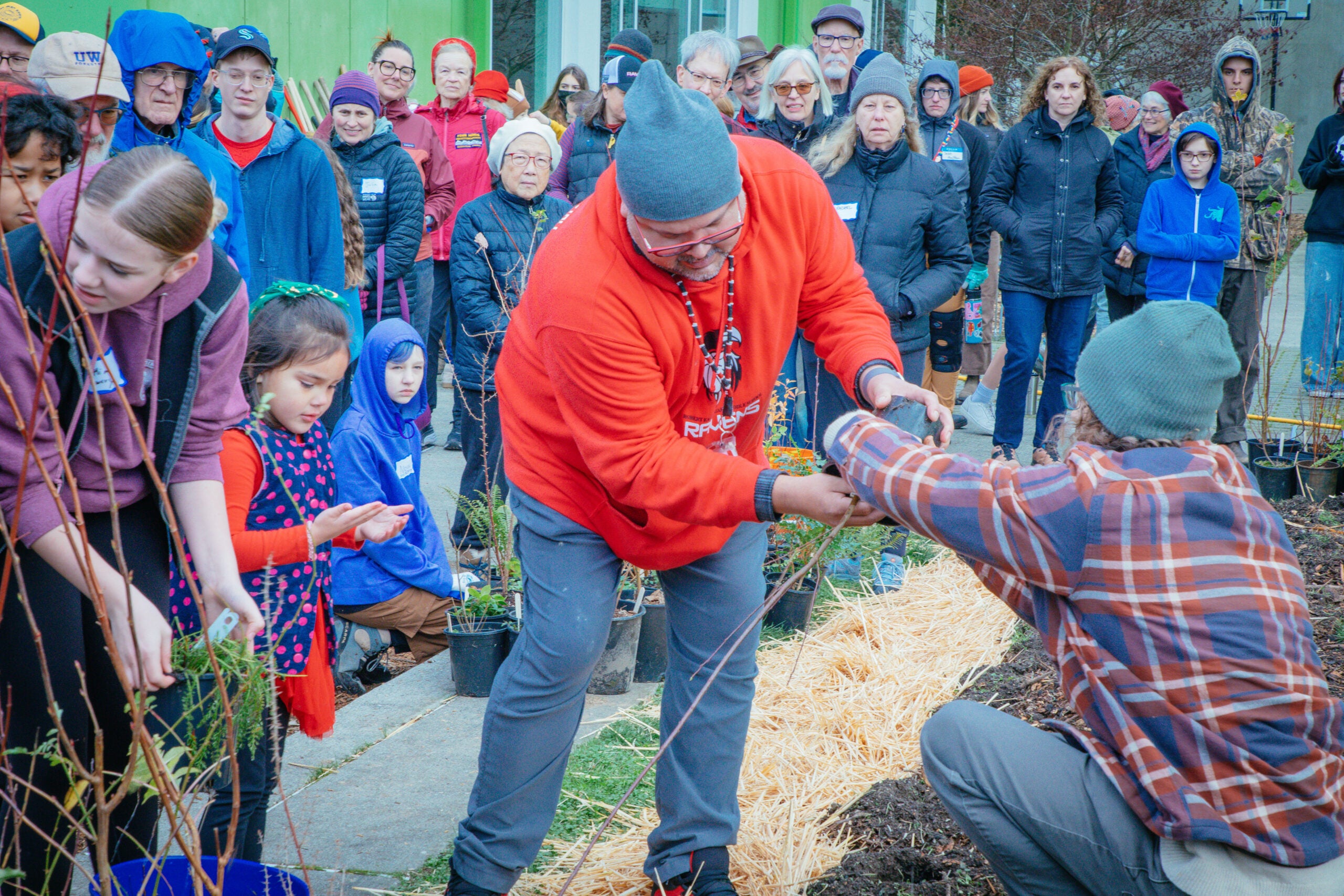
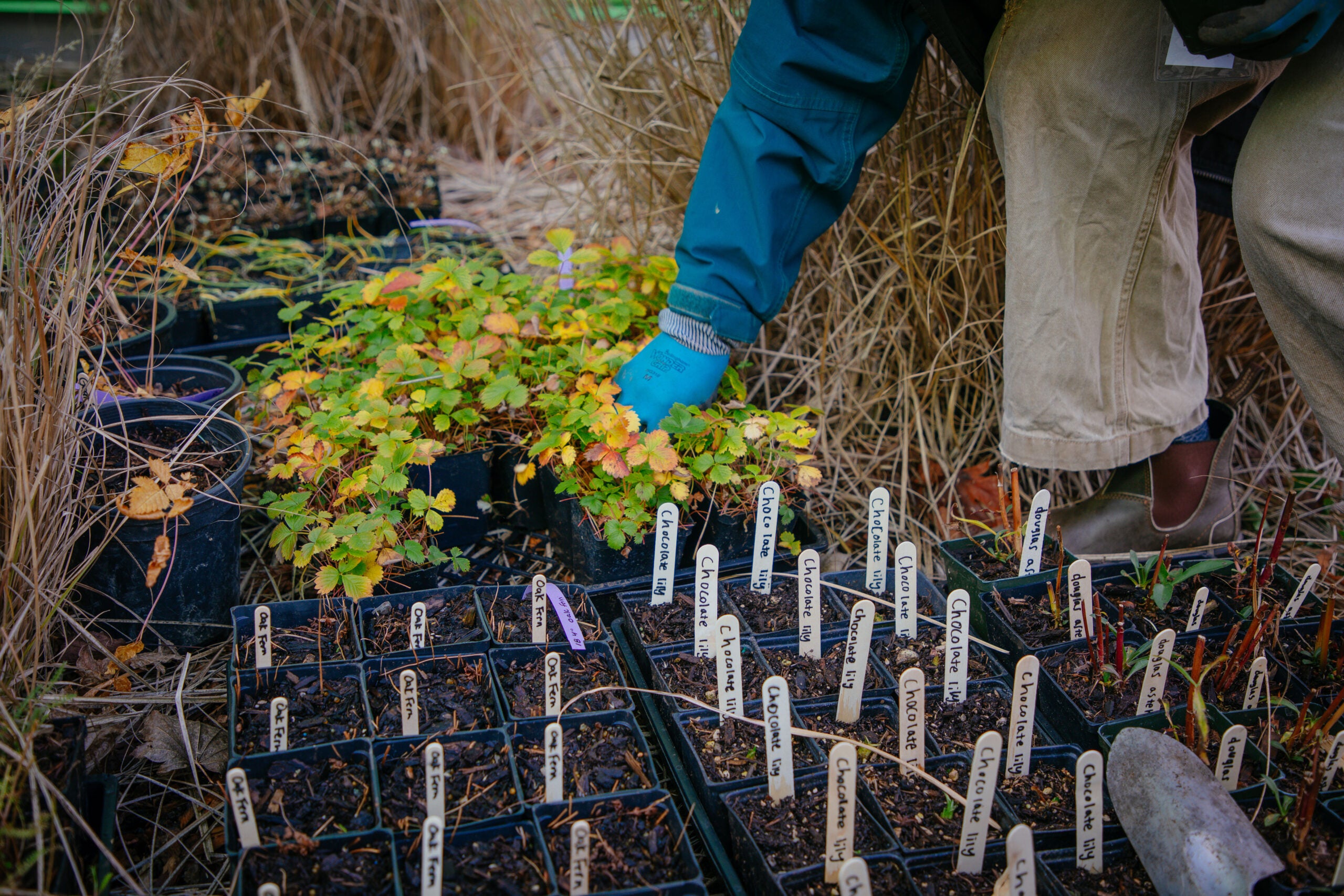
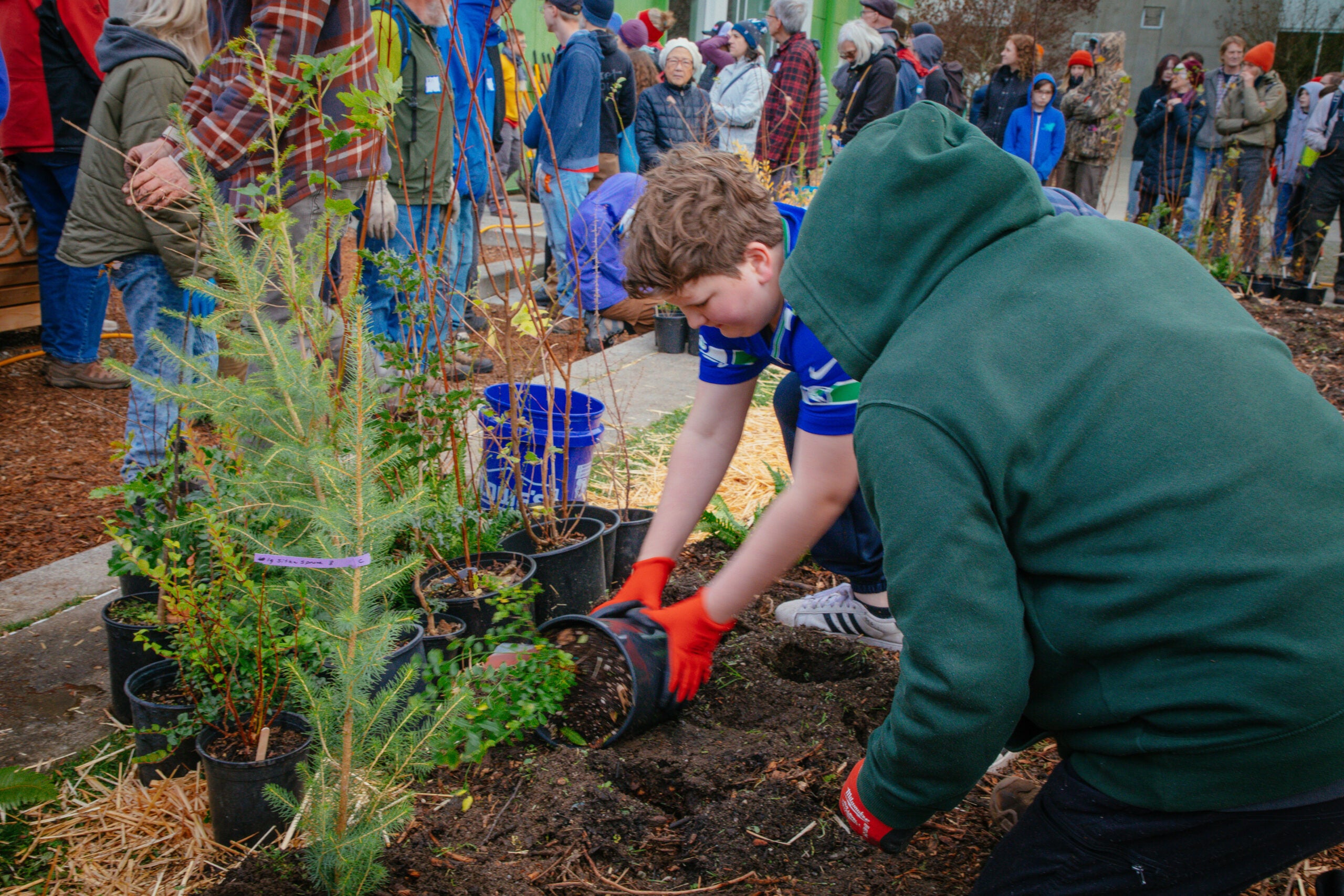

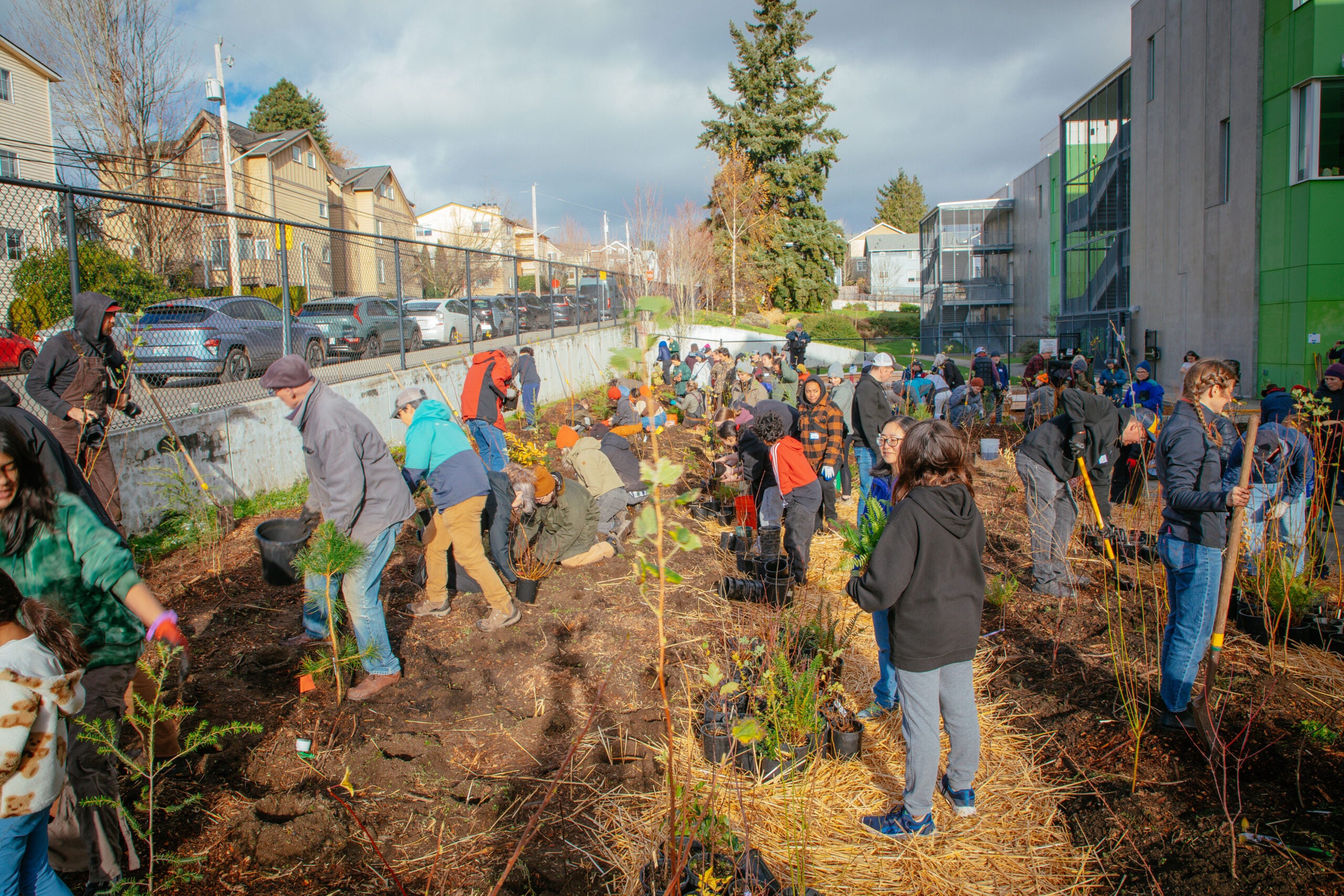
Seattle Public Schools marked a milestone in environmental education with the planting of its first Miyawaki-style mini forest at Robert Eagle Staff Middle School in December. The nearly 4,000-square-foot forest, located within the school’s outdoor classroom known as the Raven’s Nest, features 1,000 native plants representing 40 species of trees, shrubs, and groundcover.
The project began as an idea from Whittier Elementary parent Sarah Lappas, who connected the school with grant funding from the SUGi Project. After evaluating several potential sites, Robert Eagle Staff was selected, and Principal Stowell enthusiastically embraced the concept.
The Miyawaki method is a revolutionary reforestation technique that accelerates growth and biodiversity by planting densely, resulting in survival rates of over 90% and growth up to 10 times faster than conventional forests.
Students, educators, and members of the local Coast Salish community participated in the planting, fostering a shared sense of stewardship from the start. With 790 students on campus, the forest was designed to serve as both a learning space and a living laboratory. It aligns with the district’s Science teaching and learning outcomes and supports a phenomena-based approach to education.
Through hands-on studies, students can explore topics such as soil moisture, microbiome health, biodiversity, climate interactions, and natural selection. The forest also creates opportunities for interdisciplinary projects in English Language Arts, Social Studies, and Math.
Beyond its educational value, the mini forest delivers direct environmental benefits, including carbon sequestration, improved soil and air quality, stormwater filtration, habitat creation, and cooling of the surrounding landscape. As the forest matures, it becomes self-sustaining, requiring no human maintenance after two years.
This initiative empowers students to see themselves as active environmental stewards, equipped with knowledge and agency to make a positive impact. For years to come, students will walk past a flourishing forest and remember the role they played in creating a greener future for Seattle.